I’m playing a church as part of Handmade Festival! To say that I’m stoked about this would be a definite understatement!
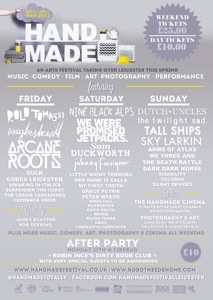
Tickets here – http://www.wegottickets.com/f/5930
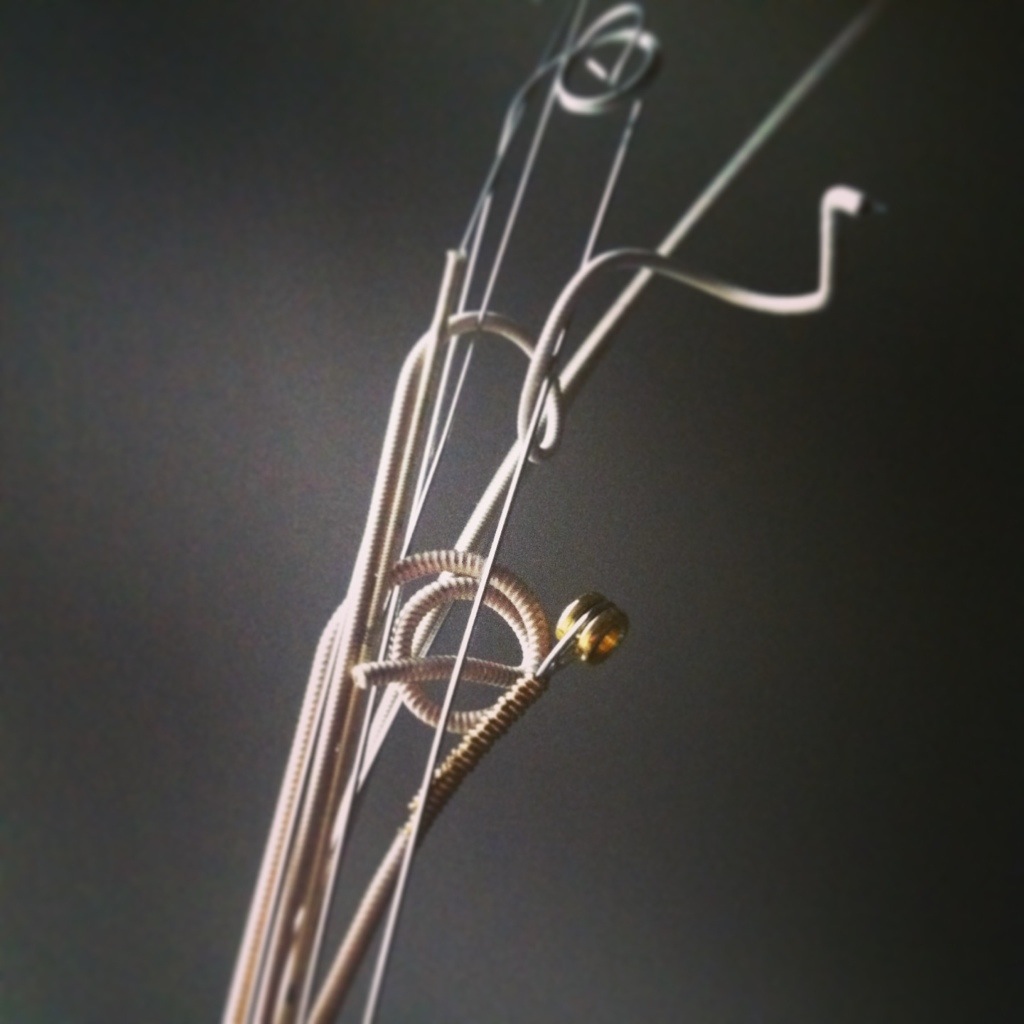
acoustic guitars in made up tunings. the quiet between quiets. overthinking/underthinking. tape hiss/memory's static.
I’m playing a church as part of Handmade Festival! To say that I’m stoked about this would be a definite understatement!
Tickets here – http://www.wegottickets.com/f/5930
When the muted trumpet comes in around 3:40 the song seems to acquire a whole new layer of sadness and sorrow. He also has the most incredible voice.
Well, there was a lot of effort and excitement that went into the Public Service Broadcasting gigs that went ‘PFFFT’ in a moment after the first show; my ears buggered by the massive volume of a PA trying to make the music heard over 200 odd people chatting to one another.
It hurt. It hurt a lot. I had to pull out of the other shows as I couldn’t go through with it another two nights in a row.
Ironically, I have taken solace in one of the loudest sounds I know. Church bells.
The new bells of Notre Dame courtesy of the wonderful Des Coulam
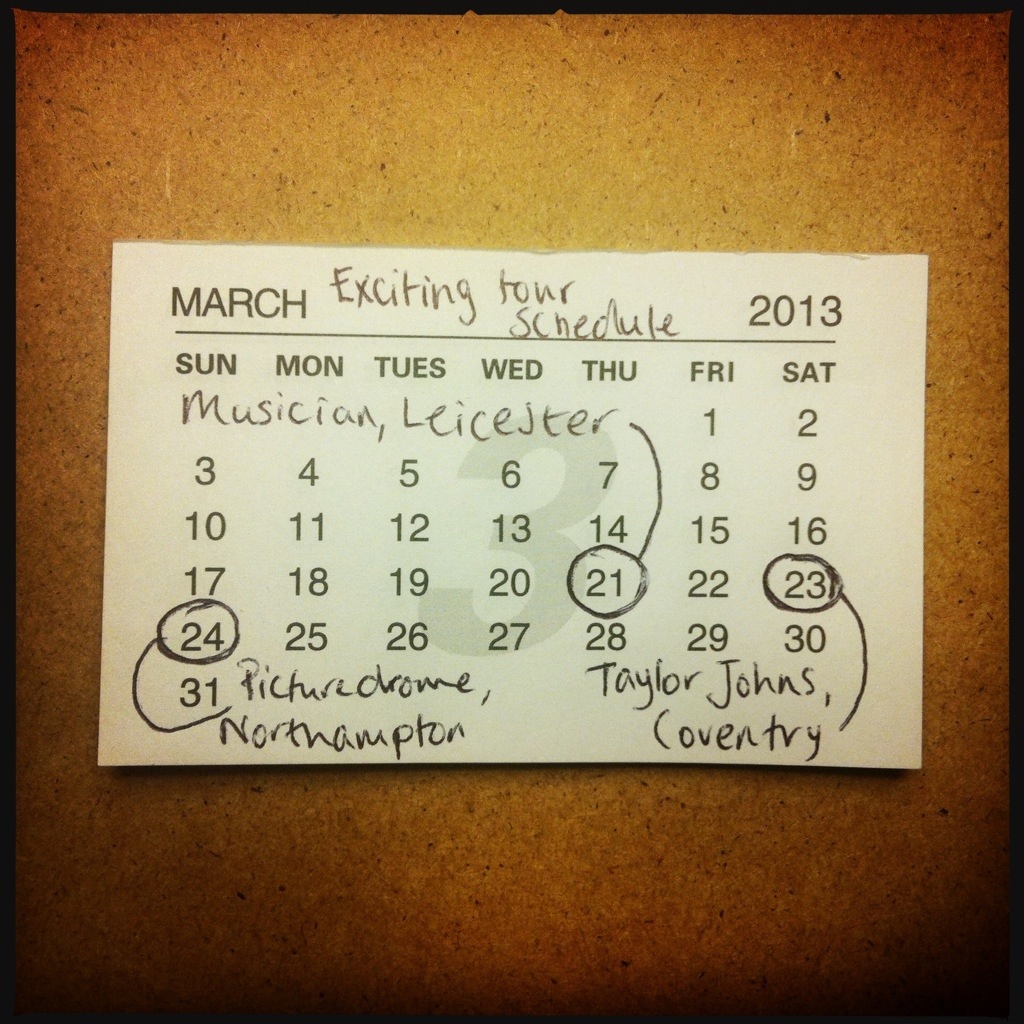
This week!

Slowly getting closer to something. Maybe in time for the PSB gigs. There are at least two ‘songs’ with ‘singing’.
Who knows.
Still sounds totally amazing to this day. I think the original is beautiful too but the super sparse and simple arrangement make this so striking. And then his voice………
I’ve mentioned Andy Goldsworthy before, when talking about ephemarilty in music before and watching this made me think about it all over again.
I know that music is fleeting, temporary but our documenting of it undoes that ( not that I think that is a negative thing ). But imagine if the documenting of that transitory moment could only be done by those there and not with recorded sound. If all you had was a description in words and sound told and made by those that witnessed it. How would it sound to you then? Would it be as strong or would it be altogether something greater drawn of the imagination?
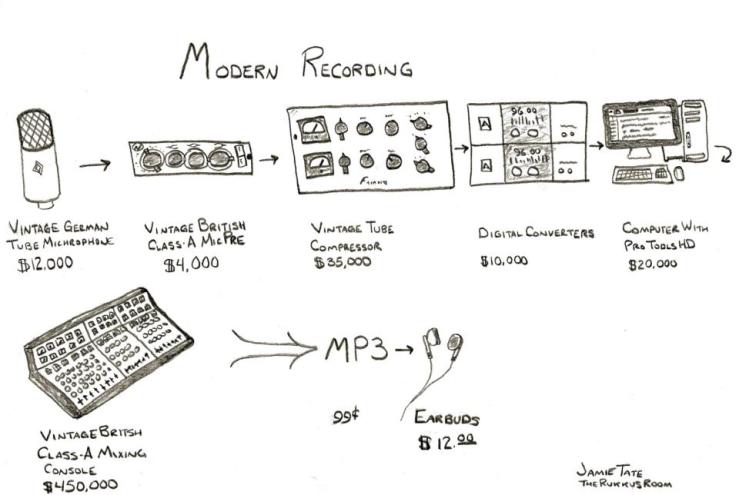
(subtitled mild rage, subtitled ‘I don’t what it means anymore’)
I came across the above photo via the lovelies at The Sound Is Not Asleep and their Facebook page (I think it originates from Jamie Tate of The Rukkus Room (looking in the corner)).
Whilst I do note a wry irony in the making of music on a gamillion pounds worth of equipment only for it to be consumed on cheap kit using a form of data compression that removes a whole lot of the frequency spectrum, that’s not the noteworthy point.
Without the mp3 format I’d imagine about 98% of the music made in studios wouldn’t be heard by anyone beyond the friends and family of those making it. And there’s the rub. Mp3’s crappy quality aside, they allow us to share what we create so easily. And it’s the sharing that’s the important bit, getting people to hear what you do. We can bitch all we like, we just want to be listened to. And that’s also why we bitch. Or is that irony?
Life has been super hectic of late and consequently I have posted nothing. There has been a gig (with Public Service Broadcasting) which was a real blast. There is a gig this weekend too with Her Name is Calla at The Firebug in Leicester.
And I’ve been listening to Kate Bush. And Tortoise. A lot.
 peter wyeth